Breaking the Four-Day Losing Streak
The Straits Times Index on Friday halted a four-session decline in which it had shed close to 110 points, a cumulative drop of roughly 3.4 percent. The benchmark gauge now rests just below the psychologically important 5,700 level, and market watchers see a reasonable prospect that Monday's session could add to Friday's modest recovery.
For the day, the STI edged up 6.18 points, or 0.11 percent, to settle at 5,695.93. Intraday trading ranged from a low of 5,669.22 to a high of 5,710.95. The session's tone was mixed: advances in financial stocks and retailers provided the primary lift, while weakness in energy and manufacturing names kept gains in check.
Wall Street's Rebound Sets a Constructive Backdrop
U.S. equities delivered a firm performance on Friday, with all three major indices opening higher and holding solidly in positive territory for the remainder of the session. The Dow Jones Industrial Average climbed 509.19 points, or 0.98 percent, to close at 52,573.29. The Nasdaq Composite gained 251.31 points, or 0.96 percent, to finish at 26,333.04, while the S&P 500 added 65.28 points, or 0.86 percent, to end at 7,656.98.
Despite Friday's rebound, all three benchmarks still posted losses for the holiday-shortened week. The Dow fell 1.6 percent, the S&P 500 slipped 0.8 percent, and the Nasdaq dropped 0.7 percent over the period. European markets also closed higher on Friday, and the broad expectation is that Asian exchanges — Singapore included — will open in a similar positive register.
Crude Oil Cooldown and Gulf Diplomacy as Key Drivers
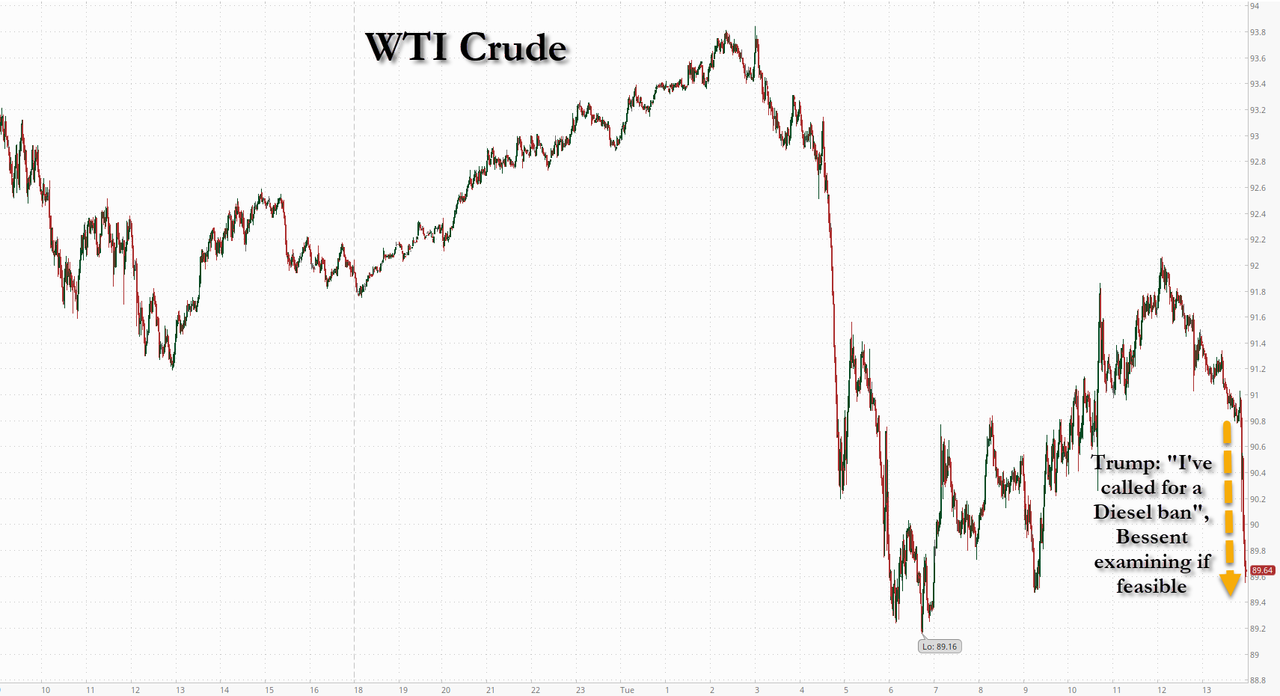
A central catalyst behind Friday's equity rebound was a sharp pullback in crude oil prices, which had surged dramatically over the preceding days. West Texas Intermediate futures for October delivery fell $2.63, or 2.57 percent, to trade at $99.85 per barrel.
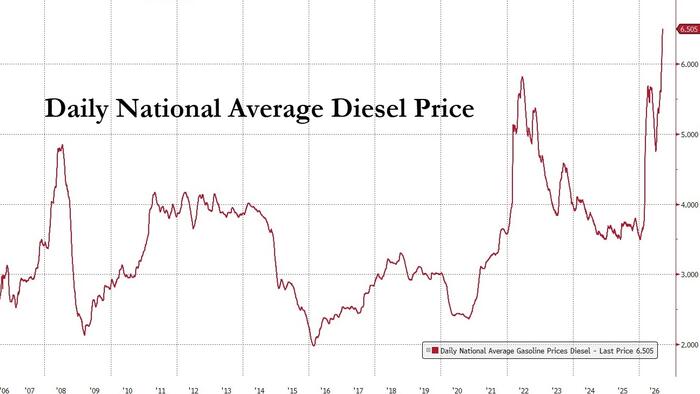
The retreat in oil was driven by growing optimism around a potential diplomatic resolution in the Gulf. Reports surfaced of a possible meeting between Iran and members of the Gulf Cooperation Council aimed at defusing the ongoing crisis, which in turn raised hopes that the Strait of Hormuz could be reopened to normal shipping flows. For Singapore, a trading and logistics hub heavily exposed to energy trade, any de-escalation in the region carries direct implications for shipping costs, freight rates, and the broader risk appetite in local equities.
Inflation Data and the Fed Rate Path
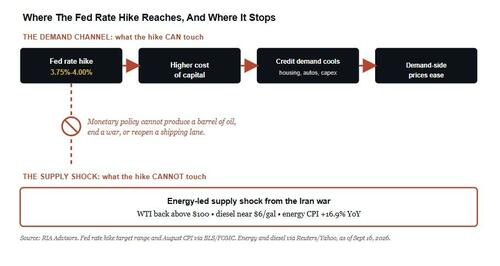
On the macro front, U.S. traders largely shrugged off the Labor Department's report on August consumer price inflation, which came in line with market forecasts. The data reinforced the prevailing expectation that the Federal Reserve will deliver a quarter-point rate increase at this week's policy meeting. That move is already widely priced into futures markets, meaning the data itself generated limited incremental volatility.
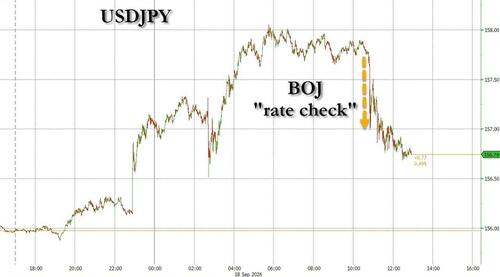
For Singapore-based investors, the combination of a stable U.S. inflation print and a near-certain Fed hike suggests a modest tailwind for the U.S. dollar, which in turn can weigh on the Singapore dollar and influence capital flows into the local equity market. The interplay between global rate expectations and the easing oil premium will likely remain a focal point for STI positioning in the coming sessions.