Taiwan's Two-Day Slide and Monday Setup
The Taiwan Stock Exchange closed out a bruising stretch of trading with back-to-back sessions in negative territory, collectively erasing roughly 1,000 points and a 2.2 percent decline. The index now hovers just above the 46,180 mark, a level that technical watchers view as a near-term support zone heading into Monday's session.
Friday's session was particularly punishing. The TSE shed 755.64 points, or 1.61 percent, to settle at 46,184.85, having traded within a range of 45,942.44 to 46,651.21. Selloff was concentrated in the technology, plastics, and resource groups, while the financial sector provided only marginal cushioning. Looking ahead, analysts point to a broadly constructive backdrop for Asian equities on Monday, driven by easing crude-oil prices and the prospect of dip-buyers stepping in after the recent rout. European and U.S. indices finished higher on Friday, and consensus expects Asian markets to open in a similar positive vein.
Wall Street Bounces But Weekly Gains Remain Underwater
On the U.S. side, the three major benchmarks opened in positive territory and held their gains through the close. The Dow Jones Industrial Average climbed 509.19 points, or 0.98 percent, to finish at 52,573.29. The NASDAQ Composite added 251.31 points, or 0.96 percent, to close at 26,333.04, while the S&P 500 rose 65.28 points, or 0.86 percent, to end at 7,656.98.
Nonetheless, the single-day rebound was not enough to offset earlier weakness in the holiday-shortened week. For the full stretch, the Dow was down 1.6 percent, the S&P 500 slipped 0.8 percent, and the NASDAQ lost 0.7 percent. The recovery rally was attributed largely to a sharp reversal in crude-oil pricing and a wave of bargain-hunting by institutional and retail investors.
Crude Oil Retreat and Geopolitical De-escalation
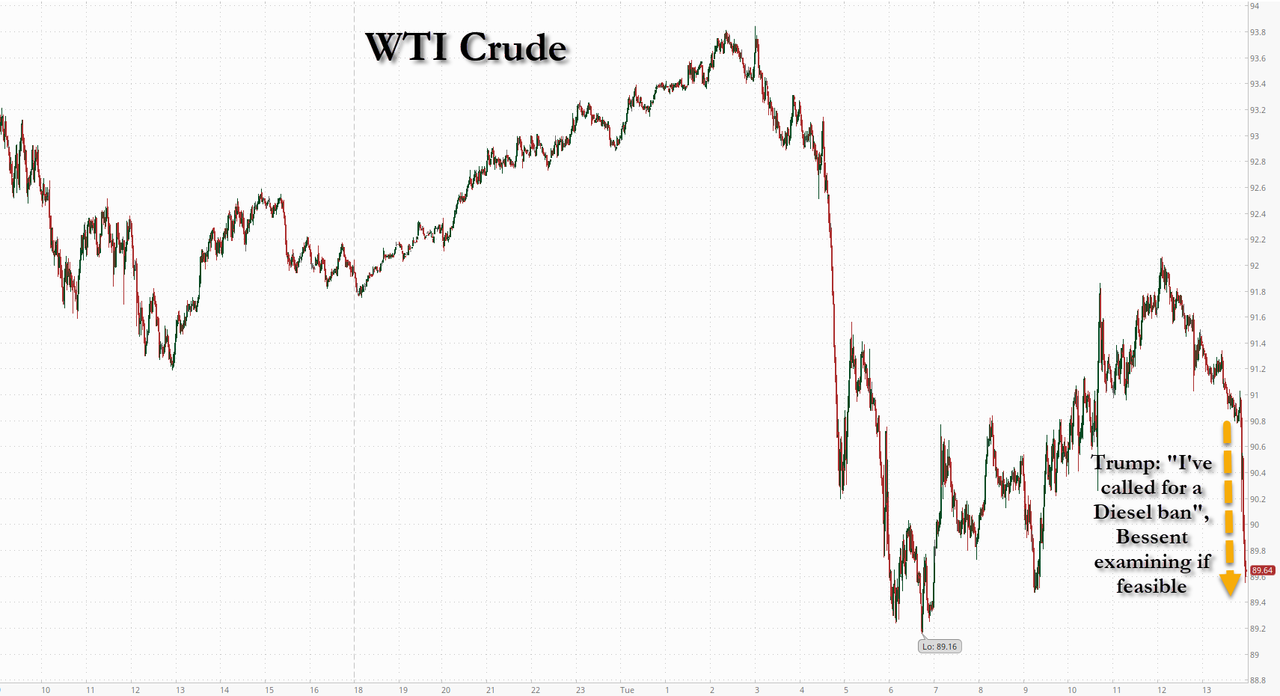
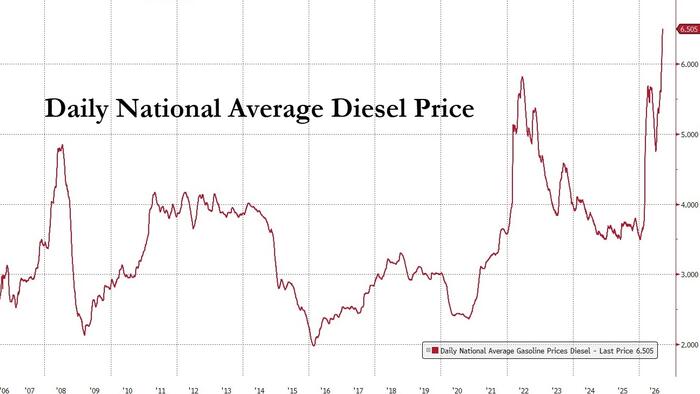
Energy markets were a key swing factor. Crude prices, which had surged dramatically over the preceding days, pulled back sharply on Friday. The move was fueled by reports suggesting a possible meeting between Iran and members of the Gulf Cooperation Council aimed at defusing the ongoing gulf crisis, as well as hopes that the Strait of Hormuz could be reopened to normal shipping traffic. West Texas Intermediate crude for October delivery dropped 2.63 dollars, or 2.57 percent, to trade at 99.85 dollars per barrel. The easing of oil costs has historically lifted sentiment in energy-importing Asian economies, adding to the constructive tone for regional equities.
Inflation Data and Fed Rate Expectations
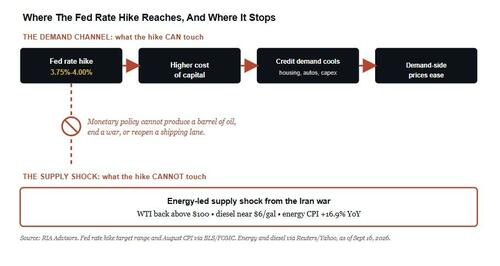
U.S. macro data also played a role in Friday's tape. The Labor Department's report on August consumer price inflation came in line with market consensus, and traders largely shrugged the print. The reading reinforced the prevailing expectation that the Federal Reserve will deliver a 25-basis-point rate hike during the current policy meeting week. However, because that move was already widely priced into futures markets, the data failed to trigger any significant repricing in equity or bond markets. For foreign-exchange and cross-asset traders, the takeaway is that U.S. monetary policy risk remains front and center, even as the immediate catalysts for equity volatility—oil and geopolitics—appear to be moderating.