The Impact of Central Bank Announcements on Currency Volatility
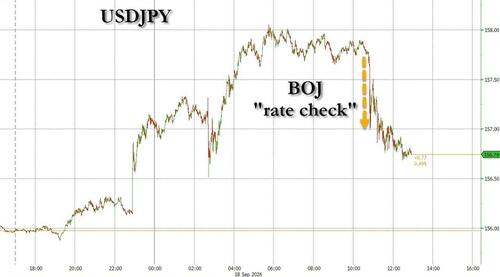
Central banks influence foreign‑exchange markets through three main communication tools: policy rate decisions, large‑scale asset‑purchase programmes, and forward‑looking statements. Each tool alters market participants' expectations about future economic conditions, which in turn affects supply‑demand dynamics for a currency. By dissecting the mechanisms behind these announcements, traders can develop systematic approaches to manage risk and capture opportunities when volatility spikes.
Policy Rate Decisions
A change in the benchmark policy rate directly modifies the cost of borrowing in the issuing country. When a central bank raises rates, the higher return on short‑term deposits attracts capital inflows, strengthening the currency. Conversely, a rate cut reduces the yield advantage, prompting outflows and depreciation. The magnitude of the price move depends on two factors:
- Surprise element – Markets price in the consensus expectation; a decision that diverges from the poll average creates the strongest reaction.
- Forward guidance attached to the decision – If the board signals a path for future moves, traders adjust positions ahead of the next meeting, smoothing the impact.
Practical tip: Track the implied probability of a rate change using futures or options markets. When the actual decision deviates from the implied probability, position for a short‑term volatility burst using straddles or tight‑stop orders.
Quantitative Easing and Tightening
Quantitative easing (QE) involves large‑scale purchases of government bonds or other securities, injecting liquidity into the financial system. The added money supply typically depresses the domestic currency because the relative scarcity of that currency falls. Quantitative tightening (QT) does the opposite, withdrawing liquidity and often supporting the currency.
Key considerations for volatility:
- Scale of the programme – A multi‑billion‑dollar announcement signals a substantial shift in monetary stance, prompting pronounced price swings.
- Asset composition – Purchases focused on longer‑dated securities affect yield curves differently than short‑term purchases, influencing carry trade dynamics.
- Timing and pacing – Gradual roll‑outs generate smoother market adjustments, while abrupt changes trigger sharp spikes.
Actionable approach: Use the central bank’s balance‑sheet data to gauge the net change in assets. Align position size with the expected magnitude of the balance‑sheet shift, and consider hedging with currency‑linked ETFs to mitigate unexpected moves.
Forward Guidance and Qualitative Statements
Beyond numerical decisions, central banks release statements that outline their view on inflation, employment, and growth. Forward guidance shapes expectations about future policy actions, often moving markets more than the headline decision itself.
Effective analysis includes:
- Tone assessment – Phrases such as “firmly committed” or “cautiously optimistic” signal the degree of confidence and can be quantified using sentiment‑analysis tools.
- Conditional language – Statements that tie future moves to specific data thresholds create conditional price zones where volatility may concentrate.
- Historical reaction patterns – Identifying how a particular central bank’s language has previously affected its currency helps forecast the likely impact of new wording.
Implementation tip: Build a checklist of trigger words (e.g., “inflationary pressures,” “policy normalization”) and set alerts for their occurrence in official releases. Combine the checklist with a volatility filter to decide when to tighten stops or expand position limits.
Practical Strategies for Traders
- Pre‑announcement positioning – Use implied probabilities from derivative markets to gauge the expected outcome. If the implied move is modest, consider a neutral stance; if the market is uncertain, a volatility‑capture strategy (e.g., long straddle) may be appropriate.
- Post‑announcement risk management – Volatility often peaks within the first 30‑60 minutes after release. Tighten stop‑loss levels or reduce exposure during this window to protect against whipsaw moves.
- Correlation monitoring – Currency pairs often move in tandem with related asset classes (e.g., bond yields, equity indices). Monitoring these correlations can provide early warnings of spill‑over effects.
- Scenario planning – Draft at least three scenarios (rate hike, hold, cut) and assign probability weights. Align trade size with the weighted risk to avoid overexposure to a single outcome.
Conclusion
Central bank announcements remain a cornerstone of currency market dynamics. By dissecting policy rate changes, quantitative easing or tightening actions, and the subtleties of forward guidance, traders can anticipate volatility spikes and implement disciplined risk‑management techniques. Consistent application of probability‑based positioning, sentiment analysis, and scenario planning transforms what might appear as unpredictable news into a structured trading advantage.