A Defiant Rate Increase in the Face of Political Pressure
The Federal Open Market Committee's decision on Wednesday to lift the benchmark rate by 25 basis points was a unanimous vote, yet its political resonance extends far beyond the numbers on the balance sheet. Fed Chair Kevin Warsh moved rates higher even as President Donald Trump and senior members of his administration repeatedly pushed for reductions — or at a minimum, for the hold that had characterized the June and July meetings. Those calls for action continued right up until the FOMC convened.
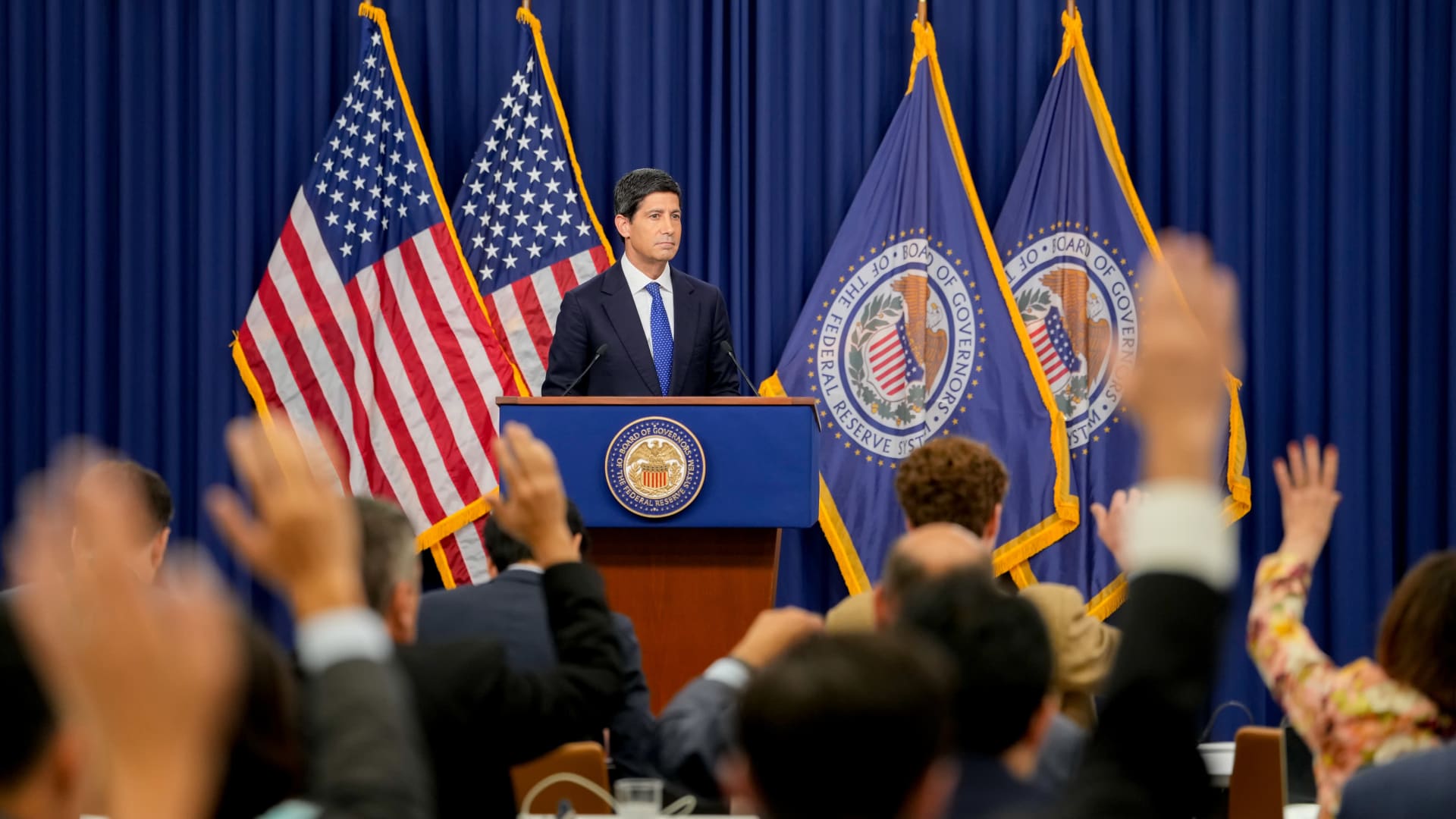
Warsh, however, assessed the economic data independently and concluded that a tightening step was warranted. In his post-meeting press conference, he pointed to inflation that remained stubbornly above the Fed's 2 percent goal as the driving concern. When a reporter pressed him on whether he had a message for the president, Warsh laughed and politely deflected: he had nothing to offer on any discussion with Trump.
The White House response was swift. Spokesman Kush Desai, speaking on Fox News immediately after the presser, noted he had not yet spoken with the president but made clear the administration's preference. He characterized the rate increase as an "unfortunate decision" that, in his words, lacked a particularly compelling economic justification from the government's perspective.
Trump himself took to Truth Social, conspicuously omitting Warsh's name, to declare that U.S. interest rates "should be 1%, or less, because we are the Best Credit in the World — BY FAR."
The Warsh-Trust Relationship and Why It May Be Shifting
The appointment of Warsh to the Fed chair in January represented a clean break from the Trump-Powell relationship that had deteriorated sharply. Trump had appointed Jerome Powell during his first term but grew increasingly hostile after Powell voted in September 2024 to cut rates by half a point — a move Trump interpreted as an attempt to hand the November presidential election to the incumbent Democratic government. Powell, much like Warsh this week, maintained that his decisions were driven solely by economic conditions.
In selecting Warsh, Trump said he trusted the former Fed governor to make sound judgments. Close aides to the president have suggested that Warsh could theoretically make the identical call Powell made and still receive a warmer reception. Ahead of Wednesday's vote, Trump had dismissively attributed Warsh's decisions to hold rates steady in June and July to the political influence of other committee members rather than to Warsh's own judgment.
That narrative is considerably harder to sustain after a chair explicitly votes to raise rates against the administration's stated preference. Some Democratic critics, who had warned since the nomination that Warsh would lack true independence from the president who chose him, now find their skepticism undercut by his actions.
The personal ties between the two men run deep. Trump has confirmed that he and Warsh have spoken directly since the chair took office. Warsh also maintains a close relationship with Treasury Secretary Scott Bessent, with whom he meets regularly and who is described as a personal friend. Those channels give the White House informal access but do not alter the formal independence of the FOMC process.
Pre-Election Rate Moves: What History Actually Shows
Administration officials have invoked a supposed tradition of the Fed refraining from rate action ahead of midterm elections, arguing the central bank should stay out of the economic picture during that window. The historical record, however, does not strongly support that framing.
Since the Fed began issuing same-day policy announcements in 1994, there have been at least five election years — 1998, 2004, 2008, 2018, and 2022 — in which the central bank changed its benchmark rate with equal or shorter lead time before a vote than exists in the current calendar. The notion of a rigid "no-action before midterms" convention is therefore more political rhetoric than established precedent.
The White House's Toolkit: Firing, Investigations, and Legal Precedents
If the president decides to push back harder than public statements, the legal and institutional levers at his disposal are substantial. The most prominent example is the ongoing saga surrounding Fed Governor Lisa Cook. In 2025, Trump attempted to remove Cook from her seat; the Supreme Court intervened, ruling that the process had been defective. The Court's opinion stated that, at a minimum, Cook was entitled to a statement of the evidence, a meaningful opportunity to respond, and a deadline for that response.
Last month the administration reinitiated the process, sending Cook a letter notifying her that termination was under consideration and demanding a written reply by August 26. Cook has submitted her response, and the matter now rests with the White House. Another attempt to fire her would almost certainly face judicial review.
Separately, the Department of Justice opened and subsequently closed a probe into Chair Powell, holding it in abeyance pending a separate review by the Fed's inspector general into cost overruns in the central bank's building renovations. DOJ has explicitly reserved the right to reopen the inquiry once the IG report is issued — a report that could arrive at any time.
A third front involves the 2023 collapse of Silicon Valley Bank. A consultant engaged by the Fed is examining that failure, and some analysts believe the resulting findings could provide the administration with grounds to target Michael Barr, the Fed official who oversaw bank supervision at the time. Barr has since stepped down from that regulatory role but retains a seat on the Federal Reserve Board.
Any of these moves — a renewed Cook firing, a revived Powell investigation, or a Barr removal — would shatter the quiet détente that has held since Trump named Warsh to the chair. The central bank would enter a period of sustained institutional conflict with the executive branch.
What Traders and Market Participants Should Watch
For those positioned in rates, equities, and the dollar, the key analytical takeaway is that the Fed's policy path is no longer insulated from political risk in the way markets had grown accustomed to over the past several years. The unanimous vote and Warsh's data-driven rationale provide near-term credibility, but the surrounding legal and political pressure creates a tail risk that is difficult to price into standard models.
Trump himself acknowledged in January, before selecting among his shortlist of Fed chair candidates, that the individuals he considered would ultimately act according to their own judgment once seated. "Problem is they change once they get the job," he said. "Sort of disloyalty, but they got to do what they think is right."
That admission underscores a paradox: the president who publicly demands loyalty to his economic preferences simultaneously recognizes that independence is a structural feature of the role. The coming months will test whether that structural feature survives the pressure, and the answer will have direct consequences for the volatility profile of every asset class denominated in U.S. dollars.