Kalshi's State‑Level Restrictions
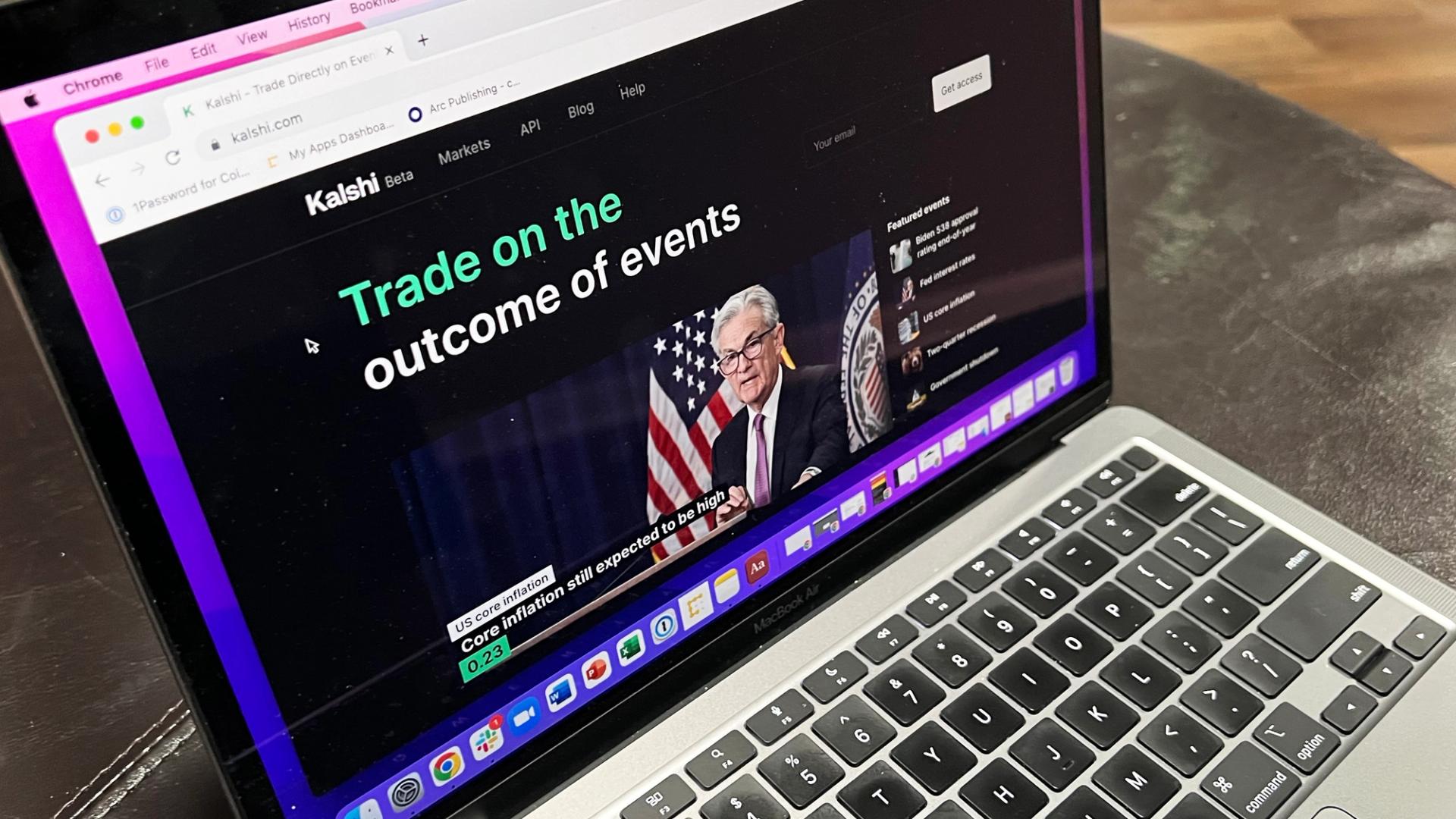
Kalshi, a U.S. exchange that offers event‑based contracts, has recently found its services unavailable to customers in Washington state. The ban marks a broader pattern of state‑level limitations that have emerged as regulators scrutinize the emerging field of prediction markets.
Legal Fight in Washington
In response to the Washington ban, Kalshi has launched a legal challenge. The company is arguing that the state’s restrictions conflict with federal oversight and the broader regulatory framework that governs its operations. The lawsuit is still in its early stages, but it underscores the tension between state securities laws and federal market rules.
The CFTC’s Regulatory Agenda
Meanwhile, the Commodity Futures Trading Commission is actively pursuing new rules that would clarify the regulatory status of prediction‑market platforms like Kalshi. The agency’s proposals aim to tighten oversight, enhance consumer protection, and define the scope of federal jurisdiction over event contracts. Kalshi’s compliance team is closely monitoring these developments, as the outcome could impact the company’s ability to expand into additional states.
Implications for Traders
For traders, the Washington restriction means that access to Kalshi’s event contracts is currently limited in that state. Investors who rely on the platform for hedging or speculative purposes may need to seek alternative venues or await the resolution of the legal and regulatory disputes. The evolving regulatory landscape highlights the importance of staying informed about both state and federal developments that can affect market participation.
Kalshi’s situation illustrates the growing friction between state‑level controls and federal regulatory ambitions in the prediction‑market space. As the legal battle unfolds and the CFTC refines its rulemaking, industry participants should remain vigilant about potential changes that could affect market access and operational compliance.